Comparison
Hotel Robot Comparison: Delivery, Reception, Restaurant or Locker?
Compare hotel delivery robots, reception robots, restaurant robots and smart lockers on task fit, guest experience, operating load and cost — plus buy-vs-rent.
Quick answer
Delivery, reception, restaurant robot and smart locker solve different jobs. A delivery unit is the usual first project; a lobby robot is a second project. Compare five quotation lines and a 12-month warranty before choosing.
On this page
Hotel robot is an umbrella term. A delivery robot, a reception robot, a restaurant robot and a smart locker are different products with different jobs. Comparing them on price alone is like comparing a van, a reception desk and a parcel locker because they all “handle things”.
This guide separates the jobs, then compares the options on the criteria that matter to a hotel: task fit, guest experience, operating load and total cost.
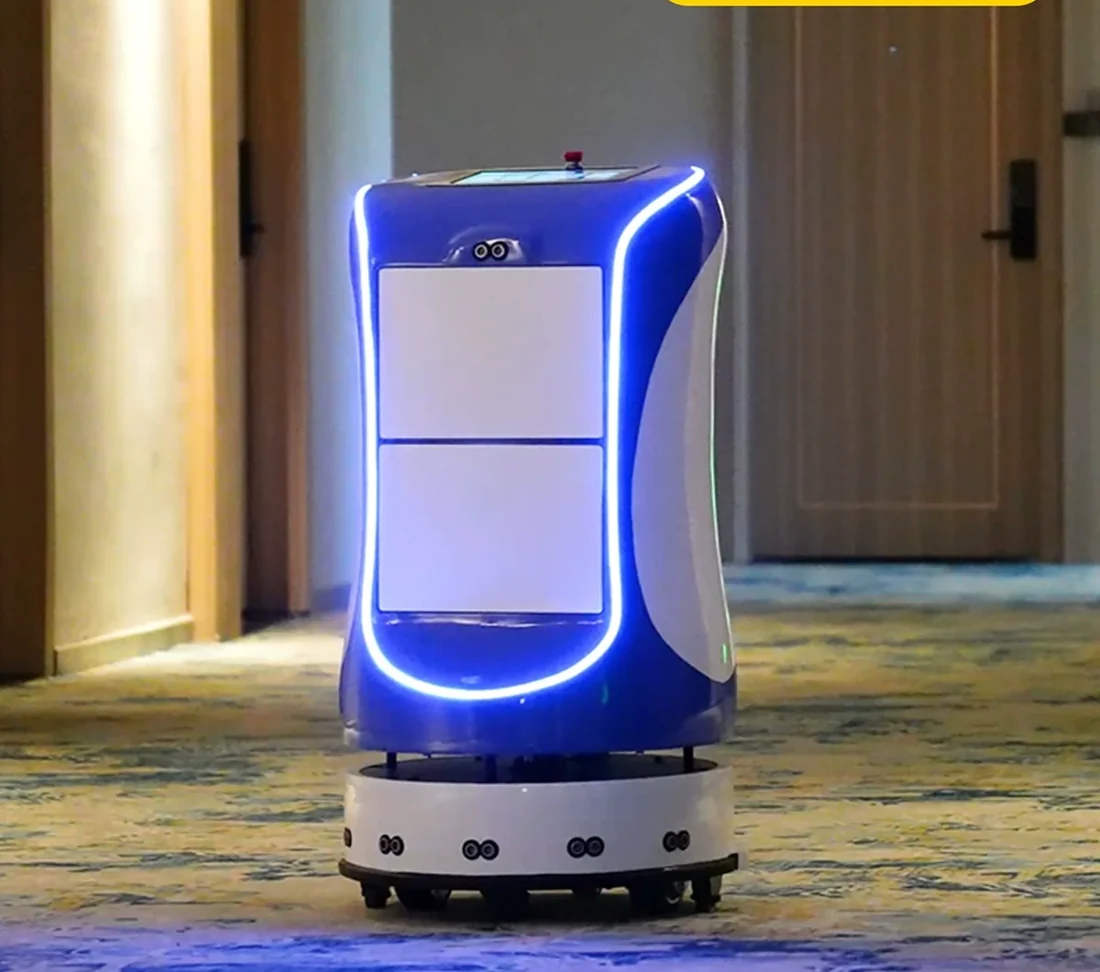
What is a hotel delivery robot best at?
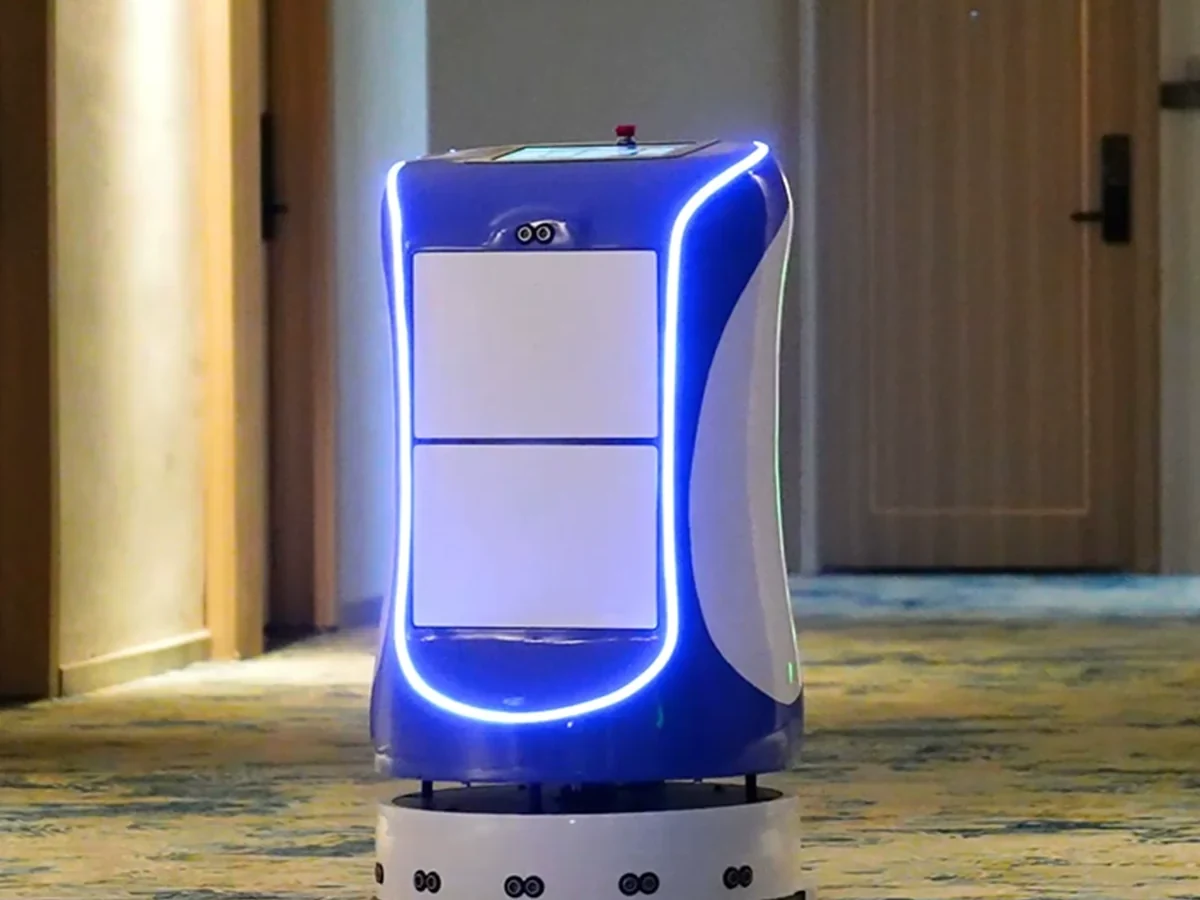
Moving a loaded compartment from the service core to a guest floor. It is strongest when the task is frequent, light and predictable: amenities, towels, F&B trays, parcels and laundry.
The operating load is real: the robot needs a lift method, Wi-Fi coverage, a loading workflow and an exception owner. A hotel that cannot name those four things is not ready for a delivery robot.
| Strength | Constraint |
|---|---|
| Repeatable, high-frequency tasks | Lift integration and network coverage |
| Measurable staff time saved | Loading and exception workflow |
| Works at night when staffing is thin | Guest notification and hand-off policy |
The hotel delivery robot page describes the platform; the hotel service robot overview explains the category. A delivery robot is usually the first purchase because the task is easy to count and the payback case is visible.
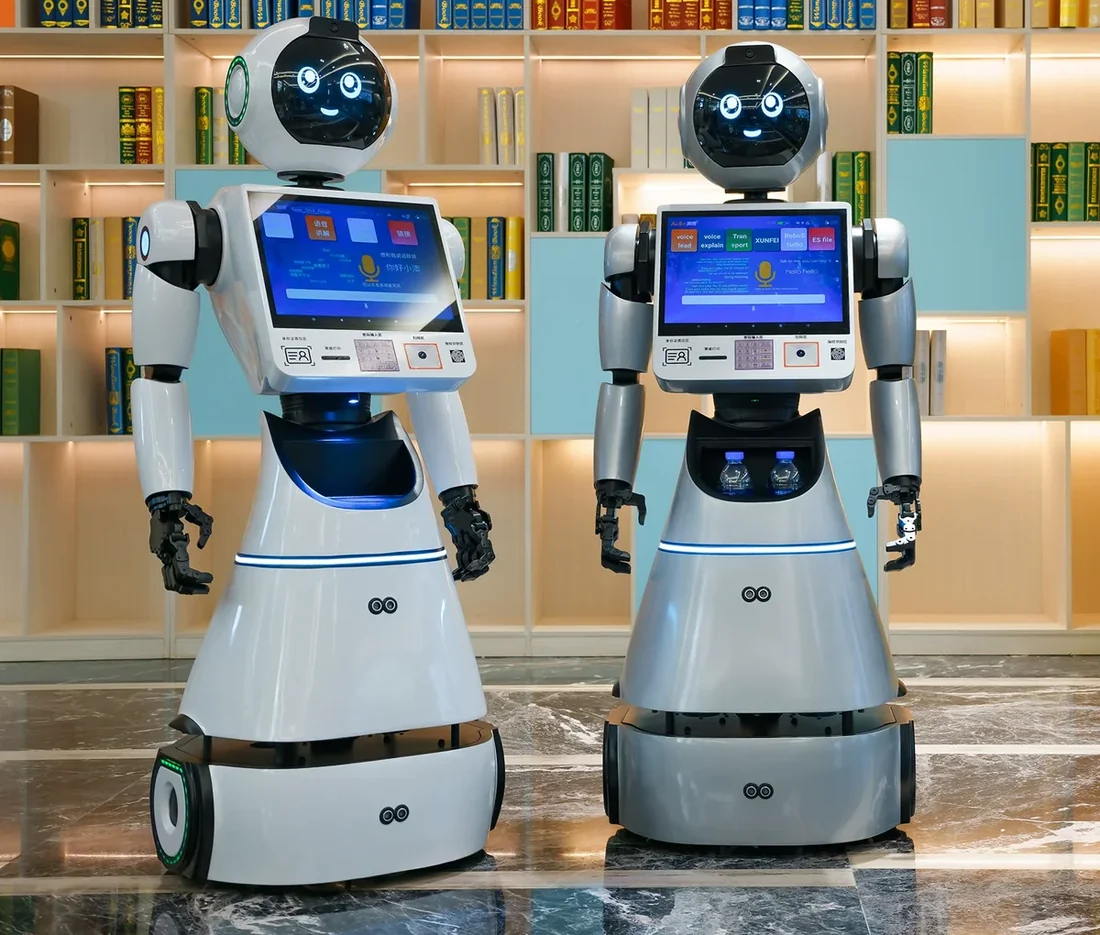
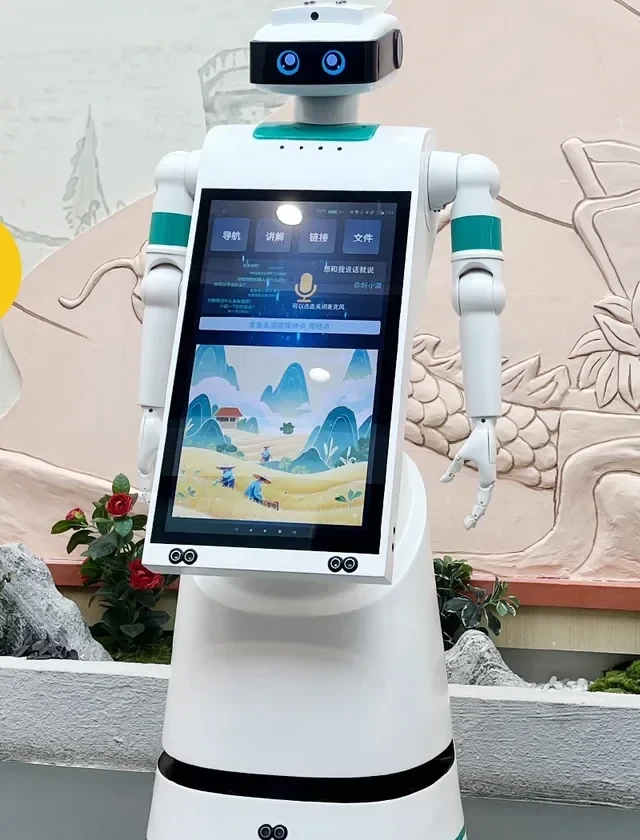
When does a reception robot pay off?
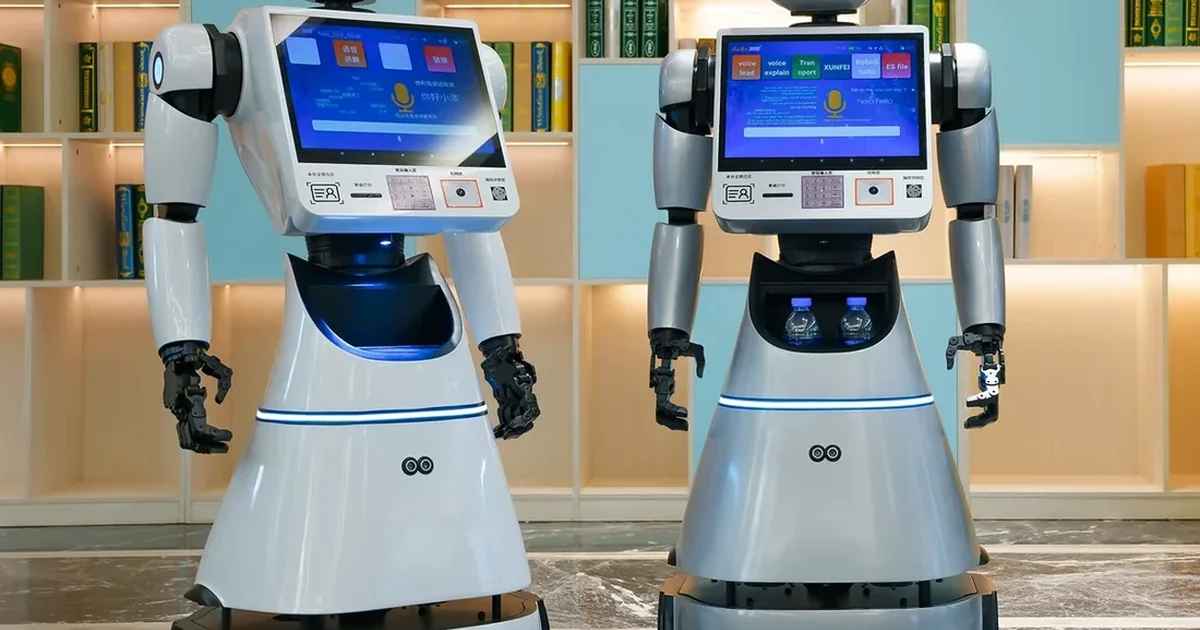
When the lobby has a guest-flow problem: guests cannot find the lifts, the desk queues at peak, or the language mix is wide. A reception robot handles the first thirty seconds of the interaction — welcome, direction, FAQ — and hands the complex cases to a human.
It is weaker as a labour-saving case because the value is harder to measure. The content also needs an owner and monthly review; outlet hours and seasonal offers go stale quickly. The reception vs concierge guide explains how to choose between the two lobby roles.
A reception robot is a good second project, not usually the first.
Do smart lockers replace the robot?
No. A locker stores; a robot moves. A locker is excellent for unattended pickup in a lobby or service area, but it does not bring the item to the guest floor and it does not handle F&B or laundry.
The combination is often stronger than either alone: the robot delivers to the floor, and a locker holds parcels the guest has not collected. The property avoids leaving items in a corridor and avoids a second staff trip. The delivery workflow guide shows where the hand-off sits.
Is a restaurant robot a hotel robot?
A restaurant robot is designed for tray running in a dining room. It has a different tray layout, a different hand-off (staff serve the table) and a different safety envelope around seated guests and hot food.
It is not a substitute for a hotel delivery robot. A hotel that wants room delivery needs a lift-capable platform with locked compartments and a guest release method, not a dining-room tray runner. The food delivery vs waiter robot guide compares the two types; the room service robot page shows the hotel configuration.
Should you buy or rent?
It depends on utilisation and accounting.
| Situation | Better option | Why |
|---|---|---|
| Stable year-round demand | Buy | Lower total cost over the asset life |
| Pilot or seasonal peak | Rent | Lower commitment and exit risk |
| Uncertain lift integration | Rent or pilot | Test the building before committing |
| Multi-property group | Buy with service contract | Standard configuration and spares |
| Event or short-term use | Rent | No resale or storage burden |
Rental availability depends on the market and the fleet partner. Confirm the term, service scope and exit conditions before comparing the monthly fee with a purchase. The price guide explains the lines that should be in both cases; the ROI guide shows how to compare them over three years.
How do you compare two offers?
Compare the same scope, line by line:
- Unit model, compartment layout, screen and language pack.
- Lift method and who supplies the interface.
- PMS/PABX connector and who tests it.
- Freight, Incoterm, duty and clearance responsibility.
- Training, documentation, warranty and spare parts.
- Pilot support and the escalation path.
A lower unit price with excluded integration is not a lower project cost. The cheapest offer is often the one with the fewest unknowns, not the lowest headline. Use the supplier page to check the factory relationship, and the elevator and PMS guides to name the integration scope.
Which option fits a small hotel?
A small hotel with a compact lobby may not need a reception robot. The guest already sees the desk, and the language mix may be manageable. A single delivery unit or a smart locker may deliver more value.
Size the pilot from the actual request volume, not from the property’s ambition. If the hotel handles 15 deliveries a day, one unit is enough; if it handles 60, a fleet and a lift rule matter more than the lobby showpiece. The 100-room pilot plan shows the arithmetic; the serviced apartment solution shows a compact layout.
The right first question is not “which robot?” but “which task costs us the most walking time?”. Start there. The product range and factory catalogue exist to answer the second question, not the first.
Where to go next
- Compare the hotel delivery robot and reception robot platforms.
- Review the hotel service robot category.
- Read the price guide and ROI guide.
- Check the deployment checklist before the pilot.
- Browse the product range and factory catalogue.
- See the city hotel and resort hotel layouts.
- Send the property profile through the contact page.
- Message the factory on WhatsApp.
The comparison only becomes useful when the task is defined. Write the task down, size the volume, and the product category usually chooses itself.