
Guide / Comparison
Hotel robot comparison: delivery, reception, waiter robot or locker?
Response within 24 hours · Warranty: 12 months
Reviewed by Aobotics Project Team
Quick answer
Delivery robots move items to guest floors; reception robots welcome and guide guests; waiter robots carry trays in a dining room; smart lockers store parcels without a robot. These are all hotel service robot options, but they solve different problems. Most hotels should start with delivery, add reception only for lobby flow, and use lockers for unattended parcels.
- Options compared
- 4
- First task, usually delivery
- 1
- Key decision criteria
- 3
- Warranty
- 12 mo
Comparison
How do the four options compare?
Task fit, guest experience and operating load.
| Option | Best task | Guest experience | Operating load | Indicative cost |
|---|---|---|---|---|
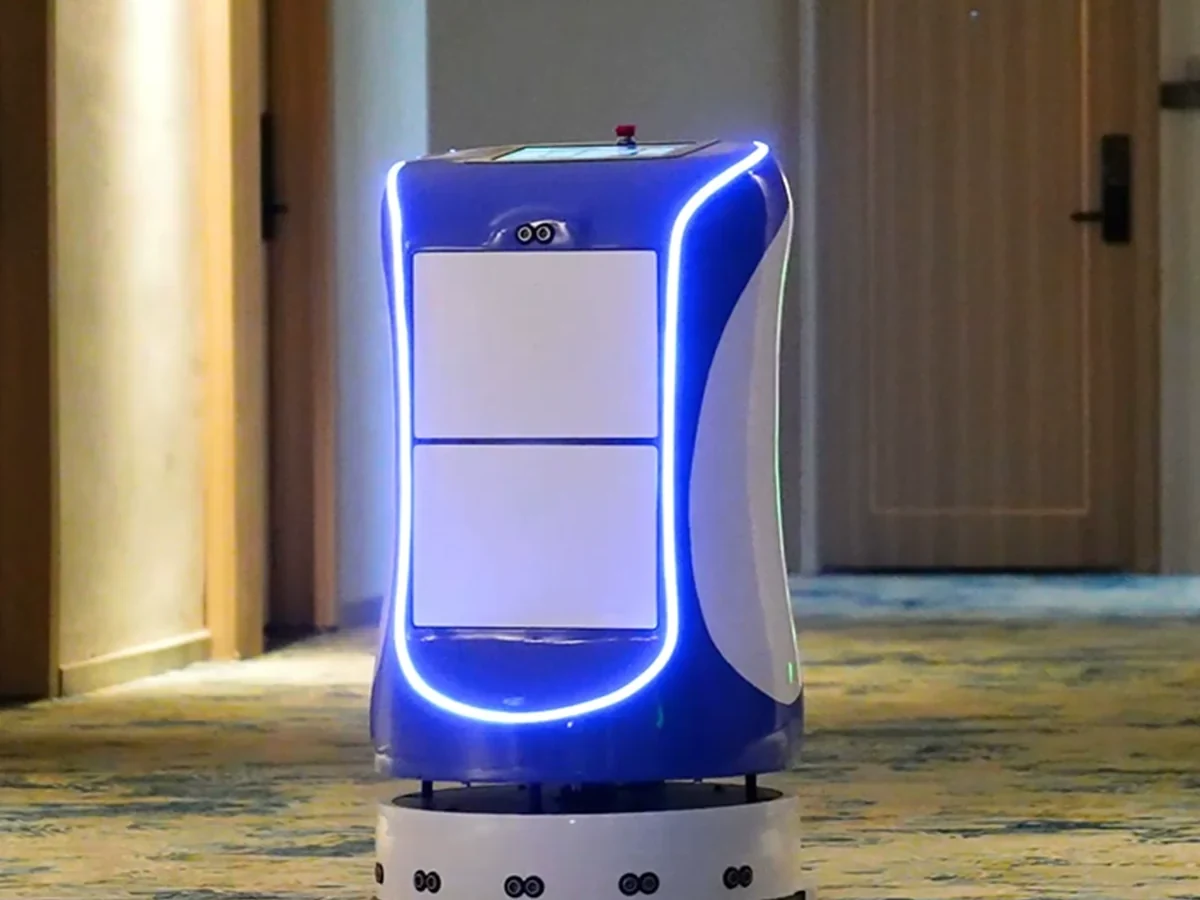
| Delivery robot | Amenity, F&B and parcel delivery to rooms | Robot arrives at the door; guest releases | Lift, network, loading, exceptions | Quoted per unit |
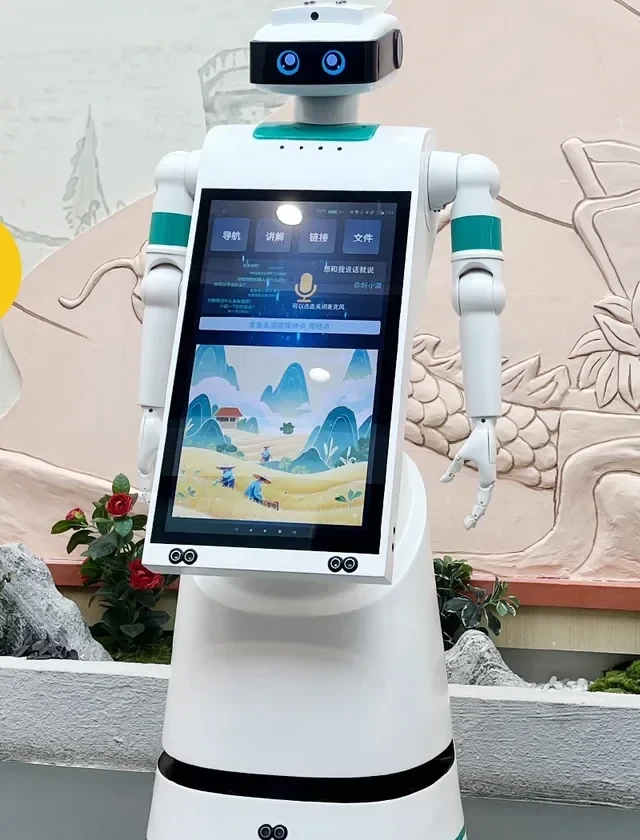
| Reception robot | Welcome, wayfinding, check-in support | Lobby interaction; human hand-off | Content, placement, PMS | Quoted per unit |
| Restaurant robot | Tray running inside a dining room | Faster service; staff still serve | Floor space, table layout, staff | Project-specific |
| Smart locker | Unattended parcel and amenity pickup | Guest collects at a bank of lockers | Space, power, locker software | Project-specific |
Delivery vs reception
Delivery robot or reception robot — which comes first?
Follow the labour cost, not the lobby impression.
Delivery usually comes first because the labour saving is measurable and the task is repetitive. A reception robot improves the arrival experience, but the value is harder to measure and the content needs ongoing maintenance.
If the property has a clear lobby problem — guests cannot find the lifts, the desk is always queueing, or the language mix is wide — reception may come first. Otherwise, start with delivery and add reception after the delivery pilot is stable.
Robot vs locker
Do you need a robot if you have smart lockers?
Lockers handle storage; robots handle delivery.
A smart locker is excellent for unattended pickup in a lobby or a service area. It does not move the item to the guest floor, and it does not handle F&B or laundry. A robot is better when the guest expects the item at the door.
Some hotels combine both: the robot takes the item to the floor, and a locker holds parcels that the guest has not collected. The combination adds cost but reduces front-desk handling.
Buy vs rent
Should you buy or rent?
Utilisation and accounting decide.
| Situation | Better option | Why |
|---|---|---|
| Stable year-round demand | Buy | Lower total cost over the asset life |
| Pilot or seasonal peak | Rent | Lower commitment and exit risk |
| Uncertain lift integration | Rent or pilot | Test the building before committing |
| Multi-property group | Buy with service contract | Standard configuration and spares |
| Event or short-term use | Rent | No resale or storage burden |
Frequently asked questions
Frequently asked questions
Response within 24 hours · Talk to an engineer
Is a restaurant robot the same as a hotel delivery robot?
No. A restaurant robot is designed for tray running in a dining room, with a different tray layout and a staff-served hand-off. A hotel delivery robot is designed for lifts, corridors and room doors. They are not interchangeable.
Can a delivery robot also do reception?
A platform can run a welcome screen, but the compartment layout and placement are different. In practice, hotels use separate units for delivery and reception. Combining them compromises both tasks.
Do smart lockers replace the robot?
No. A locker stores items; a robot moves them to the guest floor. They solve different parts of the journey. Some hotels use both, with the locker handling uncollected parcels.
What is the cheapest way to start?
A single delivery unit on a service lift, focused on amenity delivery, is usually the lowest-cost pilot with the clearest measurement. Rental can reduce the upfront commitment if the building integration is uncertain.
How do we compare suppliers fairly?
Compare the same scope: lift method, PMS connector, training, warranty, spare parts and freight. A lower unit price with excluded integration is not a lower project cost. Use the supplier checklist on this site.
Which option is best for a small hotel?
A small hotel with a compact lobby may not need a reception robot. A single delivery unit or a smart locker may deliver more value. Size the pilot from the actual request volume, not from the property’s ambition.
Aobotics
Compare on the same scope
Send your shortlist and the task you want to automate. We will compare the project scope, not the headline price.
- Response within 24 hours
- Talk to an engineer
- Warranty: 12 months
Tell us about your property
Share your property and the task. We reply with a configuration and a scoped quotation within 24 hours.